
Research
I build genomic and functional-genetics resources for organisms that don’t have them yet.
My work spans the full pipeline: long-read genome assembly, linkage and QTL mapping, comparative genomics and transcriptomics, and functional validation at the bench. Most of it has been in plant-parasitic nematodes, where reference infrastructure is thin or missing entirely and has to be built before any real genetics can happen.
Genome Assembly and Linkage Mapping
Root-knot Nematodes (RKNs) are devastating agricultural pests that cause billions of dollars in crop losses every year. Meloidogyne hapla is a valuable model for studying these parasites because of its compact genome and flexible reproduction strategies that enable genetic research. In this work:
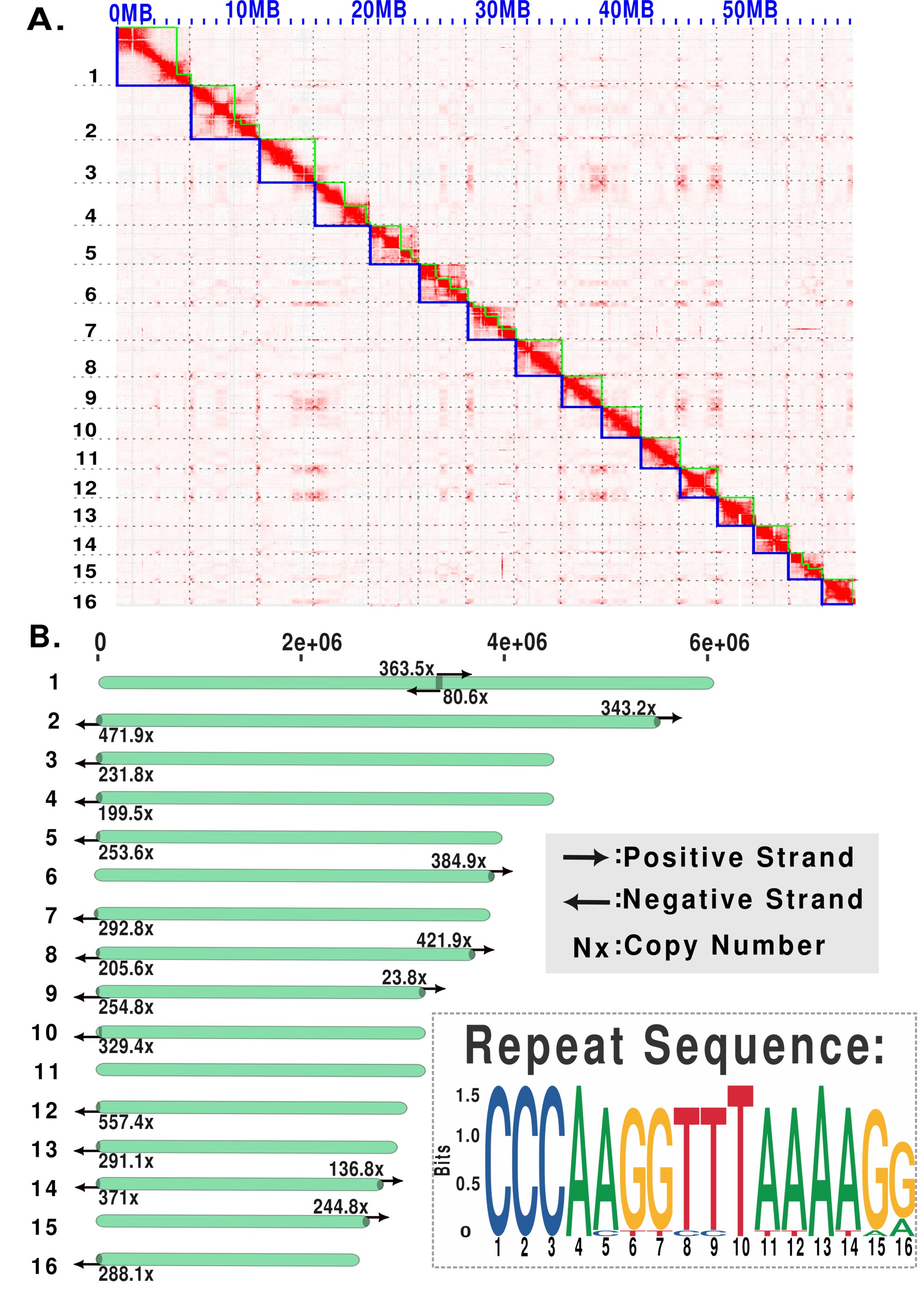
- We generated a contiguous, chromosome-scale genome assembly of M. hapla using a combination of long and short read sequencing technologies.
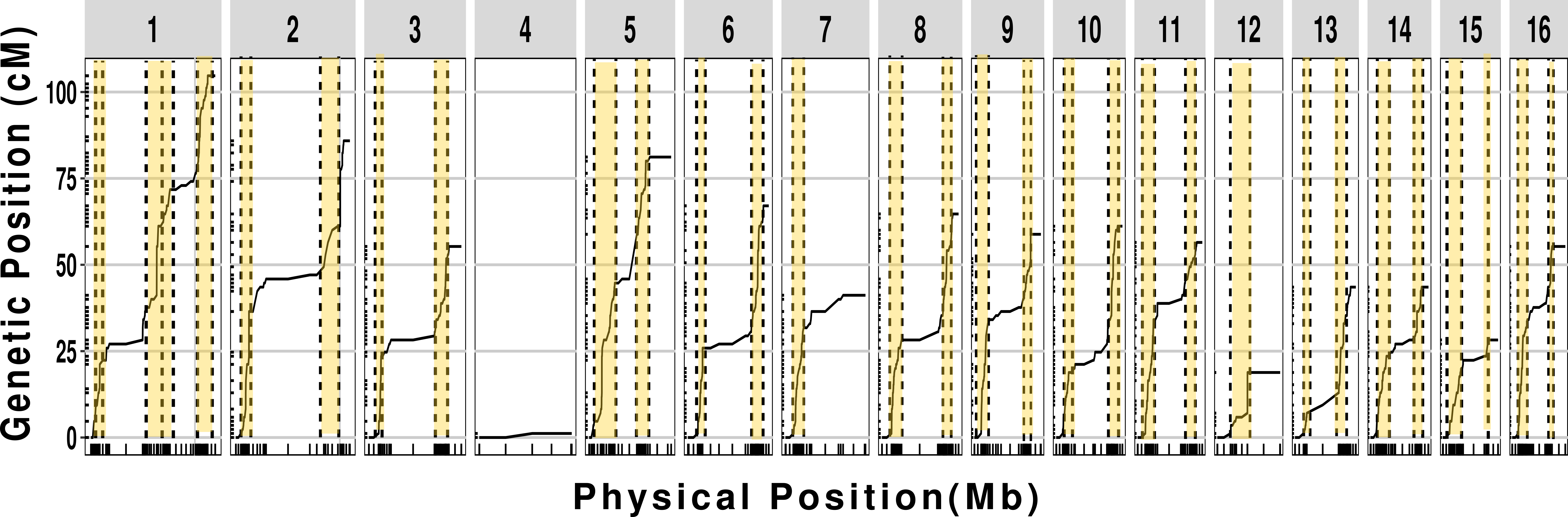
- We validated our assembly with genetic maps and discovered significant structural variations between different strains of M. hapla such as chromosome fusions and breakages.
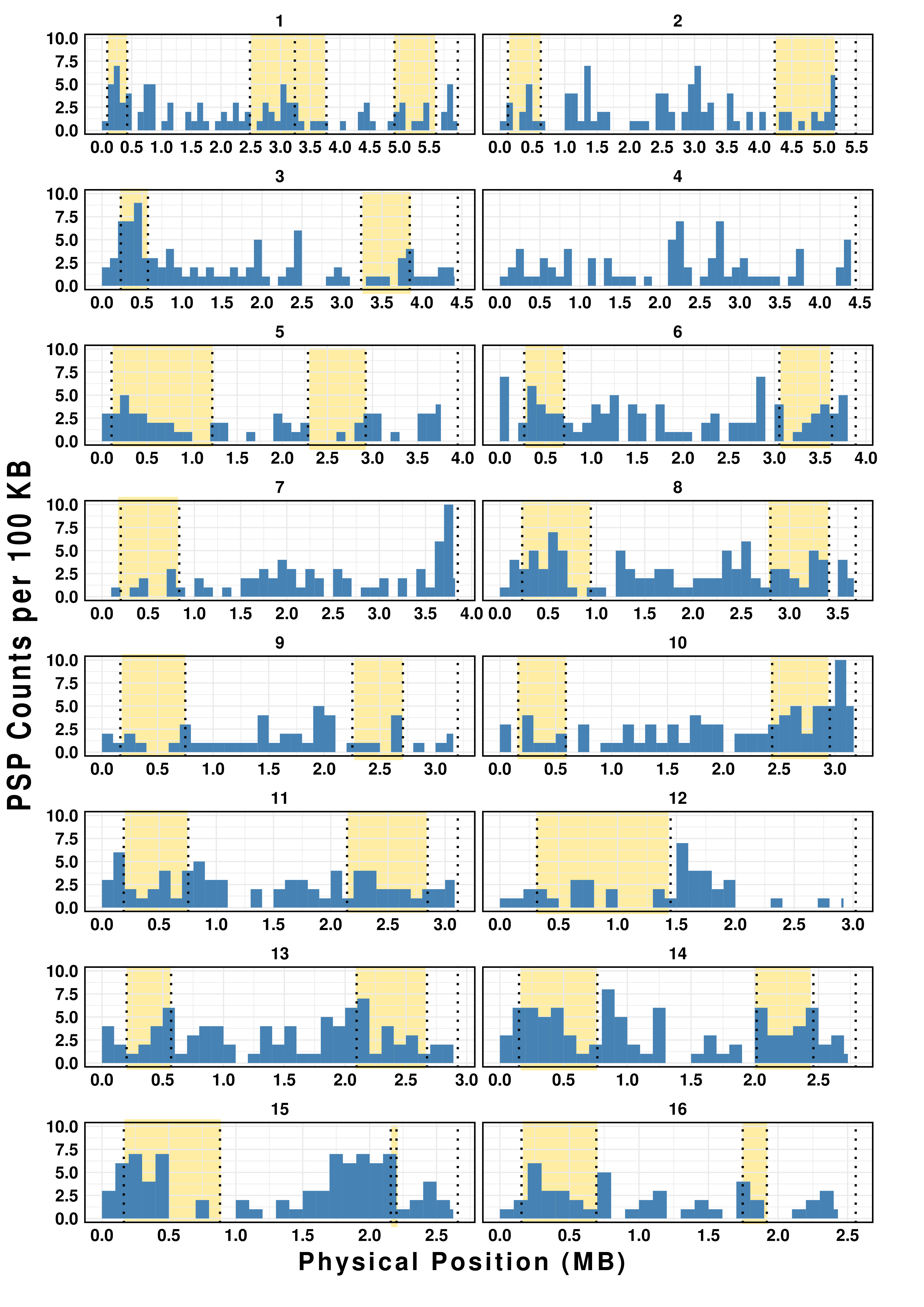
- We identified zones of extraordinarily high recombination on most chromosomes which were enriched in genes encoding secreted peptides most likely involved in parasitism. This suggests that recombination may be a key mechanism driving the evolution of new strategies to overcome plant defenses.
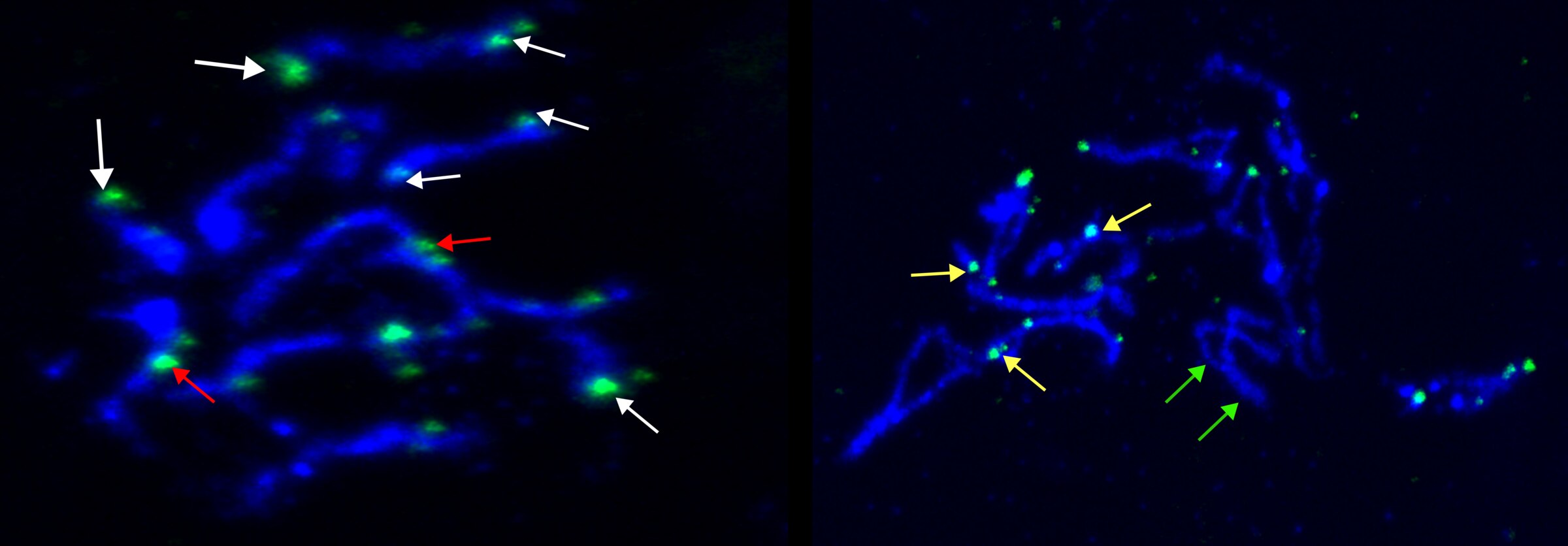
- We found an unusual 16-nucleotide repeat at chromosome-ends instead of typical telomere repeats hinting at an alternative mechanism for telomere maintenance in this species.
Our study provides important genetic and genomic resources for M. hapla and sheds light on the role of genome architecture and recombination in shaping the evolution of parasitism in root-knot nematodes.
Paper Highlights
Identification and Characterization of Effector Genes in Meloidogyne hapla
What makes one strain of M. hapla avirulent and another virulent on the same host plant?
Using the reference genome I assembled, I designed a cross between avirulent and virulent strains and led a QTL mapping study from cross design through fine-mapping. The trait resolved to a single major-effect locus on chromosome 8, which I narrowed to a small candidate interval and then to a single candidate gene. To test whether that gene was actually responsible, I knocked it down by RNAi and quantified the resulting infection phenotype in planta.
This work combined comparative genomics, variant analysis, linkage mapping and functional validation, and is currently in preparation for publication.
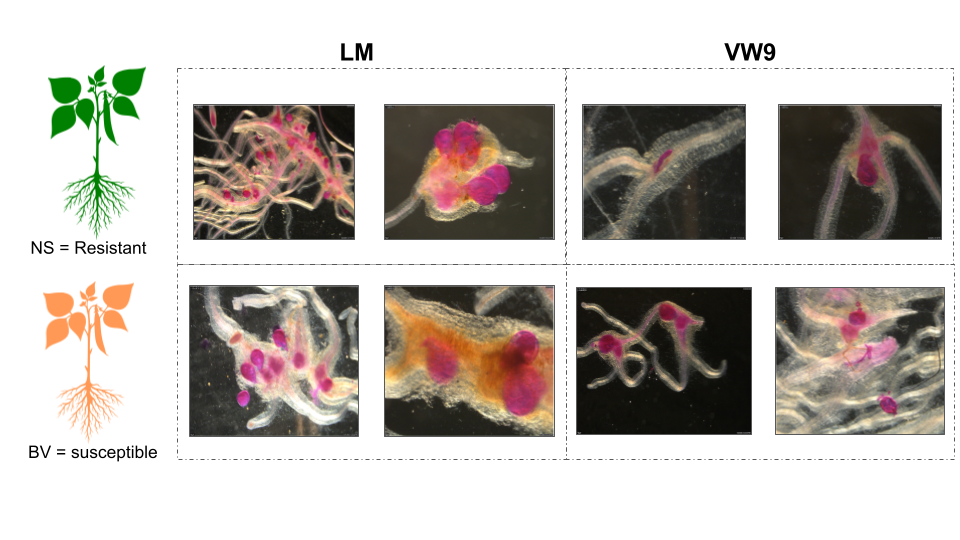
Infection of two strains of Meloidogyne hapla VW9 and LM on different bean varieties Nemasnap and BlackValentine. The pictures shown are roots infested with M hapla females and stained with Acid Fuchsin Dye.
Apollo Genome Browser
I maintain the Apollo genome browser for nematodes sequenced in the Siddique Lab at UC Davis.
This provides our collaborators with an easy-to-use web interface to visualize the genomes, review evidence tracks and manually annotate the gene models. I deployed and maintain the instance end to end, including Docker containerization, server provisioning, access control and HTTPS certificate management, supporting real-time collaborative curation for a research community of more than ten people.
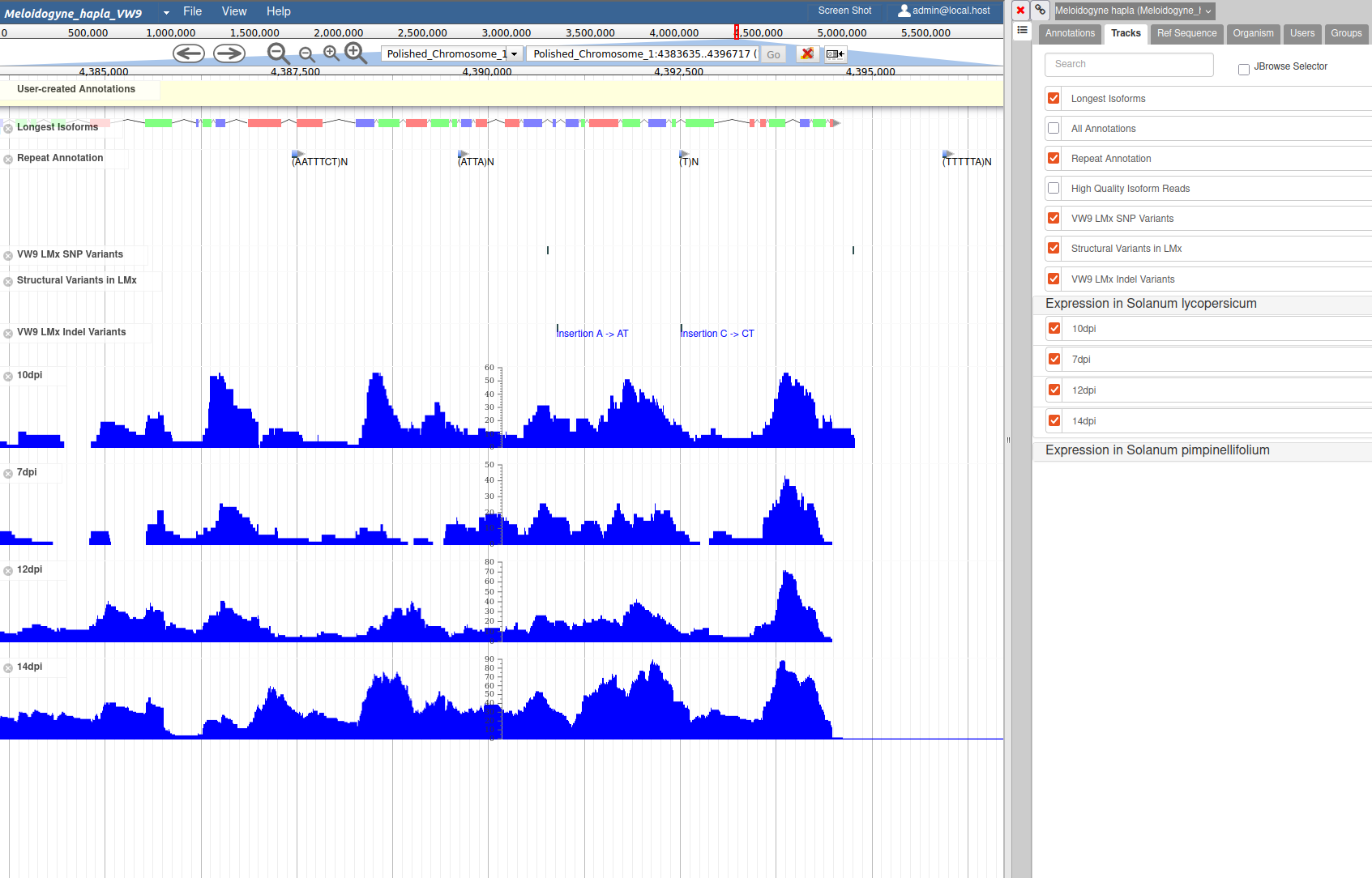
Apollo genome browser showing gene annotations and multiple data tracks for Meloidogyne hapla
Earlier Research
Developmental transcriptomics of potato cyst nematodes — Laboratory of Nematology, Wageningen University (2020). I built a developmental transcriptomic time-series for two potato cyst nematode species from public RNA-seq data, mapped thousands of orthologous genes between them to examine evolutionary divergence and functional conservation, and applied clustering and multivariate methods to classify life stages that had no assigned annotation.
Directional RNA degradation during seed ageing — Laboratory of Plant Physiology, Wageningen University (2019). I designed a qPCR-based strategy to test whether RNA degrades directionally during seed ageing in Arabidopsis, and profiled candidate gene expression across an artificial ageing time-course.
Bacterial bioplastics — SANN International College, Purbanchal University (2016). I isolated and characterized PHB-producing bacterial strains from environmental soil samples, optimized culture conditions for yield, and confirmed product identity by spectroscopic analysis.
Publications
Shakya, P., Maulana, M. I., Danchin, E. G., Voogt, M. L., van de Ruitenbeek, S. J. S., Gimeno, J., Taranto, A. P., Blundell, A. C., Despot-Slade, E., Meštrović, N., Mota, A. Z., Dai, D., Williamson, V. M., Sterken, M. G., & Siddique, S. (2025). High-resolution genome assembly and linkage mapping in Meloidogyne hapla reveal non-canonical telomere repeats and recombination hotspots associated with effector proteins. PLoS Pathogens, 21(11).
Blundell, A. C., Shigekane-Kraft, E., Janakowski, S., Sobczak, M., Dai, D., Shakya, P., et al. (2026). Resistance breaking in root-knot nematodes carries a fitness cost associated with defective feeding site development. bioRxiv.
Thapa, C.*, Shakya, P.*, Shrestha, R.*, Pal, S.*, & Manandhar, P. (2019). Isolation of polyhydroxybutyrate (PHB) producing bacteria, optimization of culture conditions for PHB production, extraction and characterization of PHB. Nepal Journal of Biotechnology, 6(1), 62–68.
Read the paper → *equal contribution
In Preparation
Shakya, P., Snyder, A., Gimeno, J., Fudali, S., Zhang, Y., Williamson, V. M., Putker, V., & Siddique, S. (2026). A single QTL on chromosome 8 governs avirulence of Meloidogyne hapla on resistant common bean cultivar NemaSnap.
Lin, C. J., Blundell, A. C., Shakya, P., et al. (2026). Root-knot nematode effector MigPSY hijacks plant PSY receptor signaling to promote feeding site development.
